Call us for a FREE QUOTE: (+86) 138 5893 5900

Mail us to: [email protected]
Call us for a FREE QUOTE: (+86) 138 5893 5900
Mail us to: [email protected]

 Home / News / Industry News / Does a Solid Garden Gate Require More Maintenance Than an Open-Slat Gate?

Picking between a solid garden gate and an open-slat one isn't just about privacy and looks. Maintenance matters too. It affects long-term cost, how long the gate lasts, and how much hassle you're signing up for. A solid gate gives you more privacy and a clean, enclosed feel. An open-slat gate lets air move through. That difference shapes everything downstream.
Generally speaking, a solid gate may need more attention to hinges, posts, and structural fixings. Why? Because its bigger surface catches more wind. But how much maintenance you actually deal with depends on material, protective finish, local climate, installation quality, and how often the gate gets used. Get a handle on these factors and you can pick a design that suits your garden and your tolerance for upkeep.
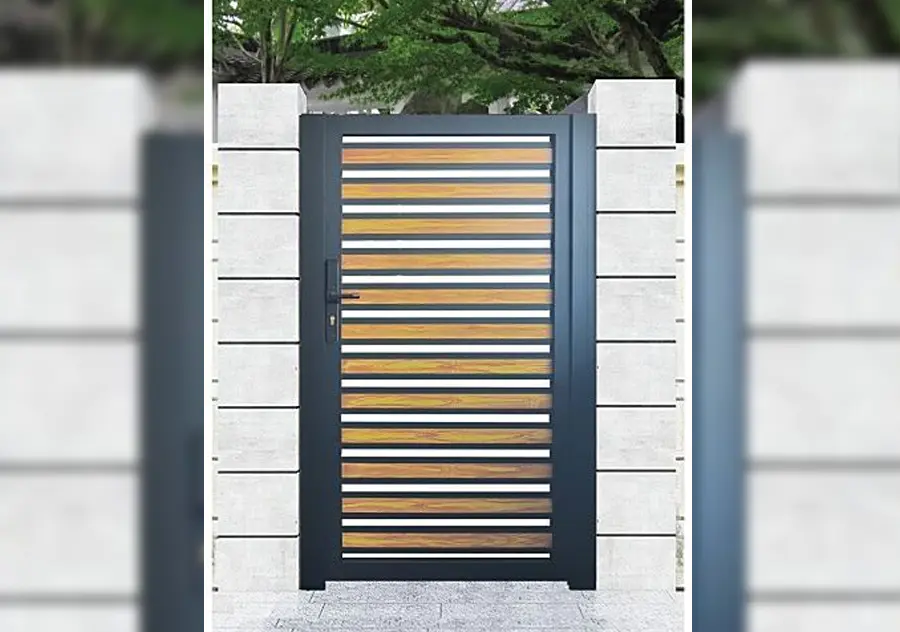
How Solid and Open-Slat Garden Gates Differ
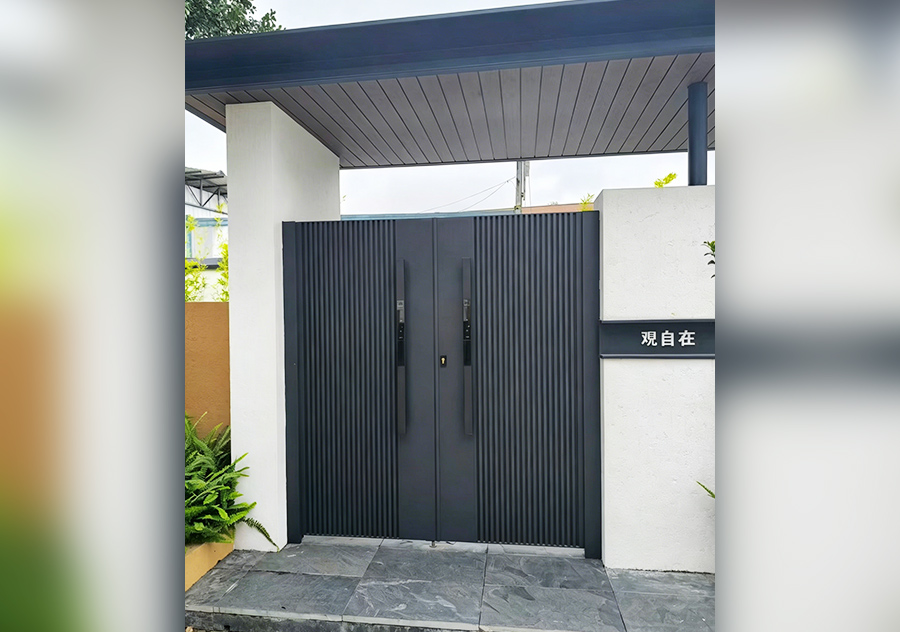
A solid gate has a largely continuous surface. Timber boards, metal panels, composite boards, or some mix. It blocks visibility and creates a stronger visual boundary.
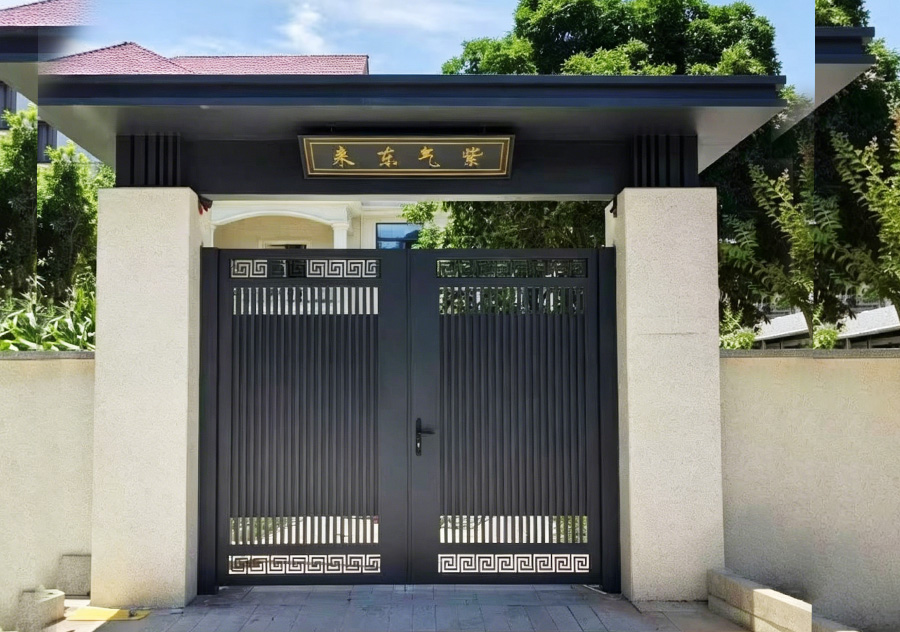
An open-slat gate uses spaced horizontal or vertical bars, boards, or slats. The gaps let air through and give you partial visibility. How much privacy you get depends on spacing and orientation.
These structural differences affect maintenance. Solid gates expose more uninterrupted surface to wind and rain. Open-slat gates dry faster in some conditions. But their gaps, edges, and joints still collect dirt and moisture.
Solid Garden Gate vs. Open-Slat Gate: Maintenance Comparison
| Maintenance factor | Solid garden gate | Open-slat gate |
|---|---|---|
| Wind exposure | Larger surface can experience greater wind pressure | Gaps allow some wind to pass through |
| Cleaning | Broad surfaces are usually easy to wipe down | Multiple slats and gaps may take longer to clean |
| Moisture and drying | Water may linger on poorly drained surfaces or joints | Often allows better airflow, depending on the design |
| Paint or coating care | Large panels make finish damage easy to spot | More edges, corners, and narrow surfaces may need attention |
| Hinges and posts | May experience higher loads in windy locations | Loads may be lower, but gate weight and design still matter |
| Privacy | Provides strong visual screening | Privacy depends on slat spacing and orientation |
| Typical maintenance workload | Potentially greater structural attention | Potentially more detailed cleaning |
Common tendencies, not guaranteed outcomes. A well-engineered solid gate can need less upkeep than a poorly built open-slat one.
Why a Solid Gate May Need More Structural Maintenance
Wind pressure is the big one. A solid gate acts like a sail in strong winds. That force stresses hinges, fasteners, gate posts, foundations.
Over time, loose fixings or misaligned hinges can make the gate sag, scrape the ground, or get hard to latch. More likely when the gate is oversized, poorly supported, or installed in an exposed spot without proper structural design.
An open-slat gate lets some air through the gaps. That can reduce the force acting on it under certain conditions. But how much relief you get depends on open area, slat dimensions, wind direction, overall geometry.
To cut maintenance, choose appropriately rated hinges, secure post foundations, and fixings designed for the gate's weight and exposure. Large or unusually exposed gates? Get a qualified installer to assess.
How Moisture Affects Cleaning and Surface Protection
Moisture matters, especially for timber or steel gates.
A solid timber gate can hold moisture around joints, panel edges, areas with limited drainage. Repeated wetting and drying leads to swelling, warping, cracking, or coating breakdown. Regular inspections help catch damaged paint, exposed wood, failing seals before damage spreads.
Open-slat timber gates often get better airflow between boards, which helps drying. Still, water collects on horizontal slats, end grain, poorly finished joints. Those areas need inspection and suitable exterior protection.
Metal gates need care too. Steel rusts where paint or coatings get damaged. Aluminum has better natural corrosion resistance but can still deteriorate under unsuitable conditions. Coastal environments? Salt deposits accelerate corrosion on susceptible components and finishes.
Whatever the style, clean using methods the manufacturer recommends. Repair damaged coatings promptly. Skip harsh cleaning products that wreck the finish.
Which Gate Is Easier to Clean and Maintain?
A solid gate usually has fewer narrow gaps. Routine surface cleaning is relatively straightforward. Dust, mud, water marks come off with a soft brush, cloth, or garden hose.
Open-slat gates take extra time. Dirt, cobwebs, leaves collect between the slats. Closely spaced designs are particularly tedious. Widely spaced slats? Easier.
Finish type matters too. Smooth, well-sealed surfaces clean easier than rough timber, heavily textured coatings, or decorative designs with lots of intricate details.
For busy homeowners, the simpler option is often a gate with durable materials, accessible hardware, minimal water-trapping joints, and a finish that washes off easily.
Practical Maintenance Schedule for Both Gate Types
Brief, regular inspections prevent small defects from becoming expensive repairs. Schedule depends on material, weather, manufacturer's instructions.
Every one to three months: Check for loose handles, unusual hinge noises, debris around the gate base, signs the gate is getting hard to open or close.
Every six months: Inspect hinges, bolts, posts, latches, drainage areas, visible joints. Remove accumulated dirt. Check for surface damage, corrosion, moisture-related deterioration.
Once a year: Review paint, stain, sealant, other protective finishes. Timber gates may need recoating. Metal gates may need local paint repairs or rust treatment. Follow the manufacturer's guidance for refinishing intervals.
Gates exposed to harsh winters, strong coastal winds, heavy rainfall, intense sunlight need more frequent checks. Automated gates require inspection and servicing per the operator manufacturer's recommendations.
How to Choose the Right Gate for Your Property
A solid garden gate is a strong option when privacy, screening, and a continuous architectural look matter. Pay attention to wind exposure, structural support, drainage, protective finishes.
An open-slat gate may be preferable for exposed gardens where reducing wind resistance is important. It suits homeowners who want airflow and visibility. Choose spacing and finish to limit dirt accumulation and simplify cleaning.
Material selection matters equally. Properly treated timber gives a traditional appearance. Powder-coated metal and suitable composite products offer different combinations of durability and maintenance requirements.
The practical choice is the gate that matches your property's environment and your willingness to maintain it. A solid garden gate doesn't automatically require more upkeep. But its larger surface and potential wind loading can create additional demands. With sound installation, suitable materials, and regular inspections, both solid and open-slat gates can perform reliably for years.



Phone
(+86) 138 5893 5900
+86 15158991377
Address
Chengxi High-tech Zone, Yongkang City, Zhejiang Province, China
Media

 English
 Español
 русский