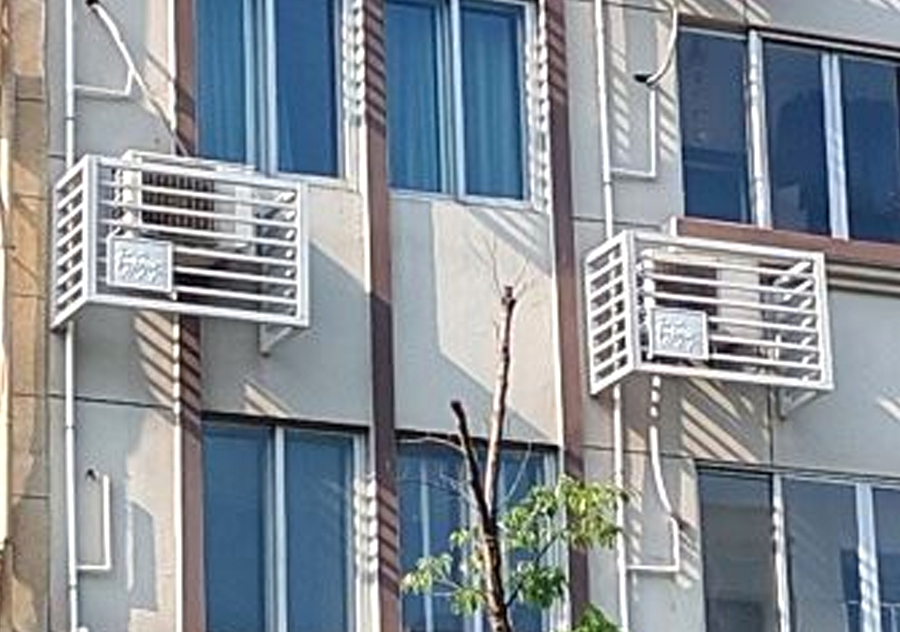
Aluminum Air Conditioner Cover for Outdoor AC Protection and Cleaner Building Exteriors
Outdoor air conditioning units are usually installed where they are easy to service, but not always where they look best. On apartment balconies, restaurant side walls, hotel courtyards, office buildings, and retail façades, exposed AC units can make an exterior look unfinished. They also face daily exposure to rain, sun, dust, wind, and changing temperatures.
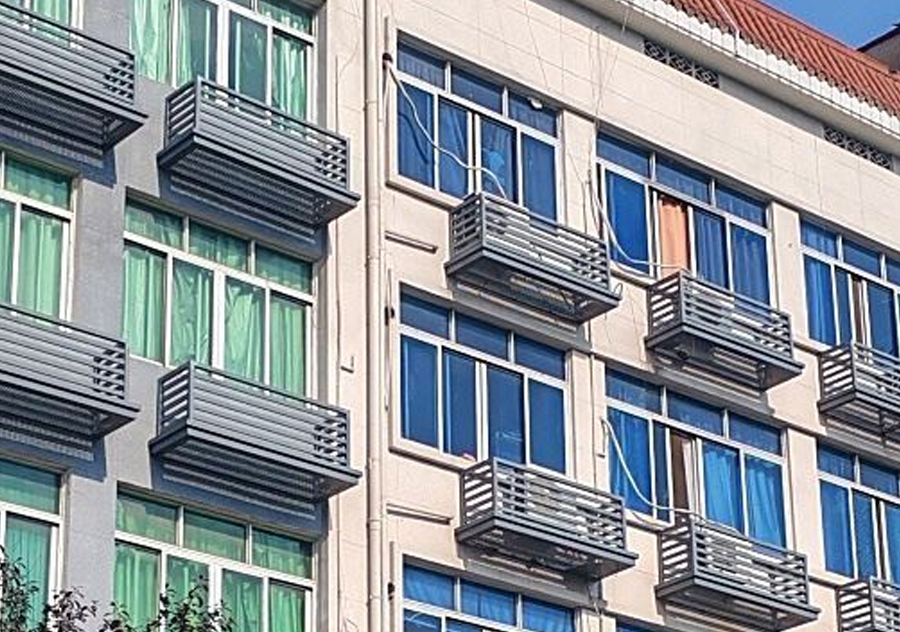
An Aluminum Air Conditioner Cover solves two problems at the same time. It helps protect the outdoor AC unit from direct weather exposure, and it gives the building a cleaner, more organized appearance. When the cover is designed with proper ventilation, it can hide the unit without affecting normal heat dissipation.
Why Outdoor AC Units Need a Proper Cover
An outdoor AC unit is built to work outside, but that does not mean it should be left completely exposed in every environment. Over time, rain, sunlight, dust, leaves, and airborne particles can collect around the unit and affect both appearance and maintenance.
A well-designed Air Conditioner Enclosure can help with:
- Reducing direct exposure to rain and sunlight
- Keeping leaves, dust, and small debris away from the unit
- Improving the look of balconies, walls, and outdoor service areas
- Creating a more uniform appearance across building façades
- Helping protect the AC unit from accidental contact
- Making commercial and residential spaces look more finished
- Supporting outdoor equipment organization in public-facing areas
The purpose is not to seal the AC unit tightly. In fact, a good cover should do the opposite. It should allow enough airflow while adding a protective and decorative outer layer.
Why Aluminum Is Commonly Used for AC Enclosures
Outdoor AC covers need to deal with weather all year. Materials that work indoors may not last well outside. Wood can warp or require repainting. Ordinary steel may rust if the coating is damaged. Plastic can fade or become brittle after long sun exposure.
Aluminum is often used for AC Enclosure products because it offers a practical balance of strength, weight, and weather resistance.
Key advantages include:
- Good resistance to rust and oxidative corrosion
- Lighter weight than many traditional metal structures
- Suitable for powder coating and custom colors
- Easy to form into different panel styles
- Stable performance in outdoor conditions
- Lower maintenance for long-term use
- Clean appearance for modern building exteriors
For residential buildings, offices, hotels, restaurants, and retail spaces, aluminum gives the cover a tidy architectural look without making the structure too heavy.
Ventilation Matters More Than Decoration
The most important part of an Outdoor AC Screen is airflow. An air conditioner needs to release heat during operation. If the cover blocks ventilation, the unit may work harder, run less efficiently, or require more maintenance.
That is why aluminum AC covers usually use open slats, punched panels, grille patterns, or spacing designs. These allow air to move while still hiding the unit from direct view.
Good ventilation design should consider:
- Air outlet direction of the AC unit
- Distance between the cover and the equipment
- Open area of the panel design
- Side and front airflow requirements
- Easy access for cleaning and service
- Heat dissipation during continuous operation
- Local climate and installation location
A good-looking cover is useful, but a breathable cover is necessary. The best result usually comes from a design that looks simple and still gives the AC unit enough space to work normally.
Custom Aluminum Air Conditioner Cover Options
Air conditioner units don’t all come in the same size, and their installation spots can also be quite different. Because of that, a custom aluminum cover is often used to make sure everything fits properly and looks more tidy on the outside.
Typical customization options include:
- Adjusted width, height, and depth
- Different slat direction and spacing
- Louvered or perforated panel styles
- Front access door or removable panel for maintenance
- Wall-mounted or floor-mounted structure
- Color choices like black, white, grey, bronze, or custom tones
- Wood-grain surface finish
- Powder-coated treatment
- Matching style with fences, gates, or railings
- Special fixing details for balconies or exterior walls
In many projects, especially apartment buildings, hotels, and office buildings, multiple outdoor AC units are installed together. Using the same type of cover helps the building exterior look more organized, instead of leaving the equipment exposed in a random way.
Common Uses for Aluminum AC Covers
An aluminum AC cover can be used in many types of buildings. The design is usually adjusted based on how visible the unit is, how much airflow is needed, and how the exterior should look.
Typical applications include:
- Apartment balconies
- Villa exterior walls
- Residential communities
- Office buildings
- Hotels and resorts
- Restaurant outdoor areas
- Café patios
- Retail storefronts
- Shopping centers
- Schools and public buildings
- Commercial service areas
- Mixed-use buildings
For restaurants and cafés, an AC enclosure helps keep outdoor dining areas looking cleaner. For hotels and apartments, it supports a more uniform exterior. For retail and office buildings, it helps hide mechanical equipment without making maintenance difficult.
Aluminum Air Conditioner Covers for Commercial Properties
In commercial buildings, there’s usually a need to keep things practical but still visually clean. Outdoor AC units have to stay accessible for maintenance, but at the same time, they’re not something people want to see directly from the outside.
Aluminum covers are often used in these situations for a few simple reasons:
- They help hide exposed outdoor units
- They keep the building façade more consistent
- They add a basic layer of protection from accidental contact
- They make equipment areas look more organized
- They can be matched with the building’s exterior colors
- They make cleaning and general upkeep around the units easier
- They give the exterior a more finished, less “messy” look
In places like restaurants, shops, hotels, offices, and supermarkets, outdoor equipment is often visible to customers. Adding a simple aluminum enclosure doesn’t change the system itself, but it does help the space look more put together and less like equipment was just left outside.
Surface Finish and Color Selection
Since an aluminum air conditioner cover is exposed to outdoor weather, the finish matters. A poor surface treatment may fade, peel, or look worn too quickly. A proper powder coated finish helps the cover keep a cleaner appearance over time.
Common finish choices include:
- Powder coated aluminum AC cover
- Matte black AC enclosure
- White aluminum air conditioner cover
- Grey outdoor AC screen
- Bronze aluminum AC cover
- Wood-grain aluminum enclosure
- Custom color coating for building projects
Black and dark grey are often used for modern buildings because they match glass, concrete, stone, and metal façades. White is common for residential and apartment exteriors. Wood-grain finishes work well when the project needs a warmer look without using real wood.
The best color is usually the one that blends naturally with the building, rather than drawing too much attention to the equipment.
Design Styles for Different Building Exteriors
An AC cover can be very simple, or it can become part of the exterior design. The right style depends on the building and the surrounding space.
Popular design styles include:
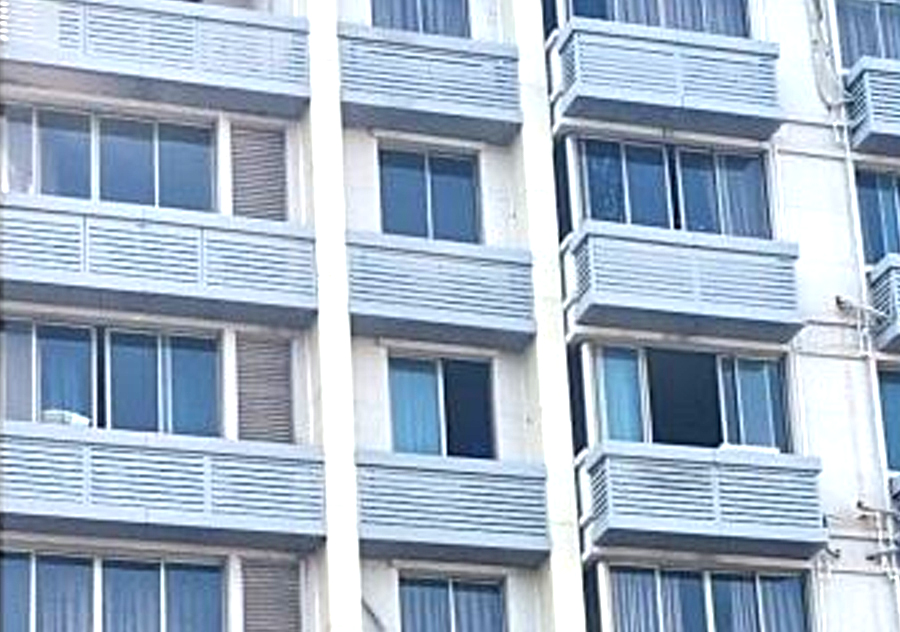
- Horizontal slat aluminum AC cover
- Vertical slat outdoor AC screen
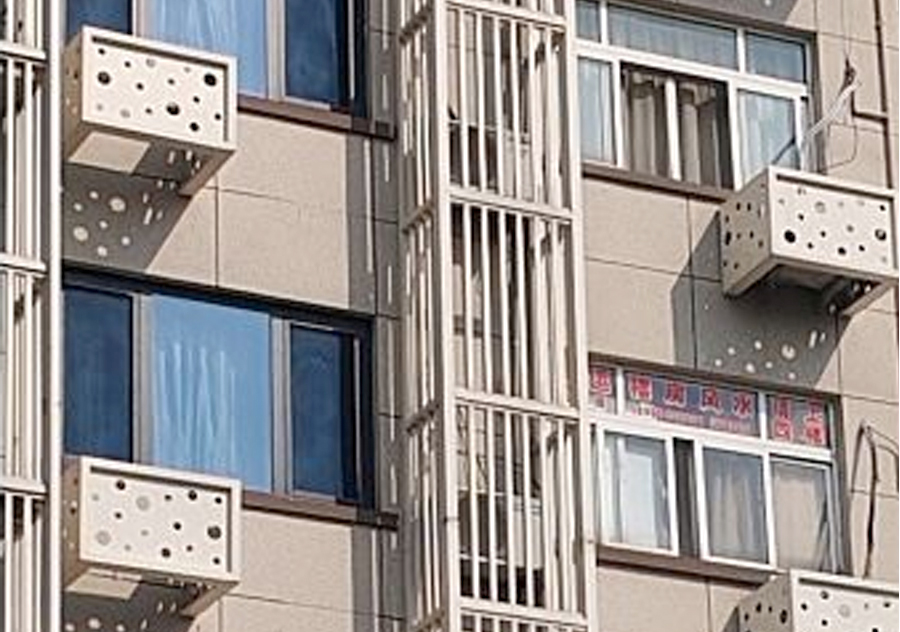
- Perforated aluminum air conditioner enclosure
- Louvered aluminum AC cover
- Minimalist box-style AC enclosure
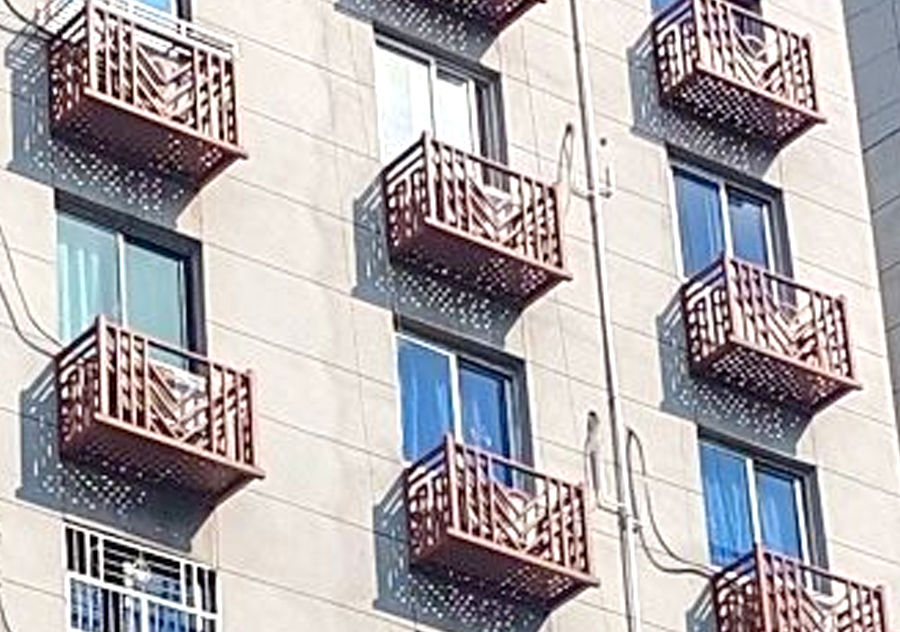
- Decorative aluminum screen for AC units
- Wood-grain aluminum AC cover
- Custom panel design for façade matching
Horizontal slats usually give a clean, modern look. Vertical slats can match fencing or balcony railings. Perforated panels create a more uniform surface and are often used when the cover needs to look subtle. Louvered panels are useful when airflow direction is a key concern.
A cover should not feel like an afterthought. When the lines, color, and proportions match the building, it becomes part of the exterior rather than just a box around equipment.
What to Check Before Installing an AC Enclosure
Before installing an aluminum AC cover, it’s usually worth taking a closer look at the site first. Most problems come from details that were not considered early, like not enough space or awkward maintenance access.
A few simple things to confirm:
- Size of the AC unit
- Space around it for air circulation
- Direction where the air is blowing out
- How the cover will be fixed in place
- Whether technicians can still reach it easily
- Position of pipes and drainage
- Exposure to wind, rain, or sunlight
- Color and surface finish choice
- How open the panels should be
- Overall look of the building exterior
- Safety requirements if it’s in a public area
The most important part is access. The cover should not make maintenance harder. Even if it looks good, it needs to be practical when the unit needs repair or inspection.
Maintenance of Aluminum Air Conditioner Covers
Aluminum AC covers are generally easy to maintain. Regular cleaning helps the surface stay presentable and prevents dust or leaves from collecting around the unit.
Basic maintenance includes:
- Rinsing the cover with clean water
- Wiping the surface with a soft cloth
- Using mild soap for stains
- Avoiding strong chemical cleaners
- Keeping ventilation openings clear
- Removing leaves and debris around the unit
- Checking screws and fixing points occasionally
- Making sure access panels still open smoothly
In coastal, humid, or dusty areas, cleaning may be needed more often. The goal is simple: keep the cover clean and keep the airflow open.
Aluminum AC Cover Compared with Other Materials
Different materials can be used for AC covers, but they do not perform the same outdoors. Aluminum is often selected when the project needs durability, lighter weight, and a clean modern appearance.
| Material |
Typical Look |
Maintenance Level |
Outdoor Performance |
| Aluminum |
Clean, modern, flexible |
Low |
Good corrosion resistance and suitable for outdoor use |
| Wood |
Warm and natural |
Medium to high |
Needs sealing, repainting, and moisture protection |
| Steel |
Strong and solid |
Medium |
Requires strong anti-rust treatment |
| Plastic |
Lightweight and simple |
Low to medium |
May fade or become brittle with long sun exposure |
Aluminum is not the only option, but it is practical for projects where appearance, airflow, and long-term outdoor use all matter.
How Aluminum AC Covers Improve Building Appearance
Air conditioning units are necessary, but they are rarely attractive. On a building façade, several exposed AC units can make the exterior look messy, especially when pipes, brackets, and equipment are visible.
A well-planned aluminum cover can:
- Hide mechanical equipment from direct view
- Create a more uniform façade
- Match railings, fences, gates, or screens
- Improve the look of balconies and service areas
- Make outdoor dining and commercial areas feel cleaner
- Reduce visual clutter around building walls
- Support a more professional property appearance
This is especially useful for hotels, apartments, restaurants, supermarkets, office buildings, and mixed-use properties where exterior presentation affects the overall impression.
Choosing the Right Aluminum Air Conditioner Cover
A good AC cover should simply fit the unit and the building. If it’s too tight, airflow can be affected. If it’s too big, it may look out of place. So the balance is usually more important than anything else.
A few things are worth checking:
- Size based on the actual AC unit
- Enough space for air to move and for future servicing
- Panel design that doesn’t block heat release
- Color that matches the building exterior
- Outdoor coating, usually powder coating for better durability
- Whether panels can be opened or removed easily
- Fixing method confirmed before installation
- A simple design that’s easy to live with long-term
In most cases, there’s no need to overthink it. A practical cover is one that fits properly, allows air to flow, and doesn’t look out of place on the wall or balcony.
An aluminum AC cover is a small part of a building’s exterior, but it does change how things look and function. It keeps the outdoor unit protected from rain, sun, and dust, and also helps the outside wall or balcony look a bit more organized instead of leaving equipment fully exposed.
You’ll see it used in homes, restaurants, hotels, offices, shops, and other public-facing buildings. In these places, the goal is usually simple: keep the equipment working properly while making the exterior look cleaner and less cluttered.
When the size, airflow space, finish, and access points are planned properly, the cover can stay useful for a long time without causing extra maintenance issues.
HEQI Factory focuses on producing aluminum AC enclosure systems like this, with practical designs that can be adjusted for different building layouts and installation needs.
FAQ About Aluminum Air Conditioner Covers
1. What is an aluminum air conditioner cover used for?
An aluminum air conditioner cover is used to protect and hide outdoor AC units. It helps reduce direct exposure to rain, sunlight, dust, and debris while improving the appearance of the building exterior.
2. Will an AC enclosure affect heat dissipation?
A properly designed AC enclosure should not block heat dissipation. It should use slats, louvers, perforated panels, or open spacing to allow enough airflow around the unit.
3. Can aluminum air conditioner covers be customized?
Yes. Aluminum air conditioner covers can be customized by size, color, panel style, finish, mounting method, and access design to fit different AC units and building layouts.
4. Is aluminum suitable for outdoor AC screens?
Yes. Aluminum is suitable for outdoor AC screens because it is lightweight, corrosion resistant, and works well with powder coating for long-term outdoor use.
5. What finishes are available for aluminum AC covers?
Common finishes include matte black, white, grey, bronze, wood-grain, and custom powder coated colors.
6. Where are aluminum AC enclosures commonly installed?
They are commonly installed on apartment balconies, villa walls, office buildings, hotel exteriors, restaurant outdoor areas, retail storefronts, and commercial service zones.
7. How much clearance is needed around an outdoor AC unit?
Clearance depends on the AC unit model and airflow direction. Enough open space should be left around the air outlet and service side to avoid heat buildup and allow maintenance.
8. Are aluminum AC covers easy to clean?
Yes. Most aluminum AC covers can be cleaned with water, a soft cloth, and mild soap. Ventilation openings should also be kept free from leaves and debris.
9. Can an aluminum AC cover match other exterior metal products?
Yes. The cover can be designed to match aluminum fences, balcony railings, gates, privacy screens, or decorative panels for a more consistent building exterior.
10. Is an outdoor AC screen only for decoration?
No. An outdoor AC screen improves appearance, but it also helps protect the unit from direct weather exposure and keeps outdoor equipment areas more organized.


 English
 Español
 русский