Call us for a FREE QUOTE: (+86) 138 5893 5900

Mail us to: [email protected]
Call us for a FREE QUOTE: (+86) 138 5893 5900
Mail us to: [email protected]


A fence around a property has to do more than mark a boundary. It can affect how an entrance is approached, how much of the surrounding space remains visible, and how a building connects with the area around it. When security is also part of the requirement, the choice of fence design becomes a matter of balancing several practical considerations rather than focusing on appearance alone.
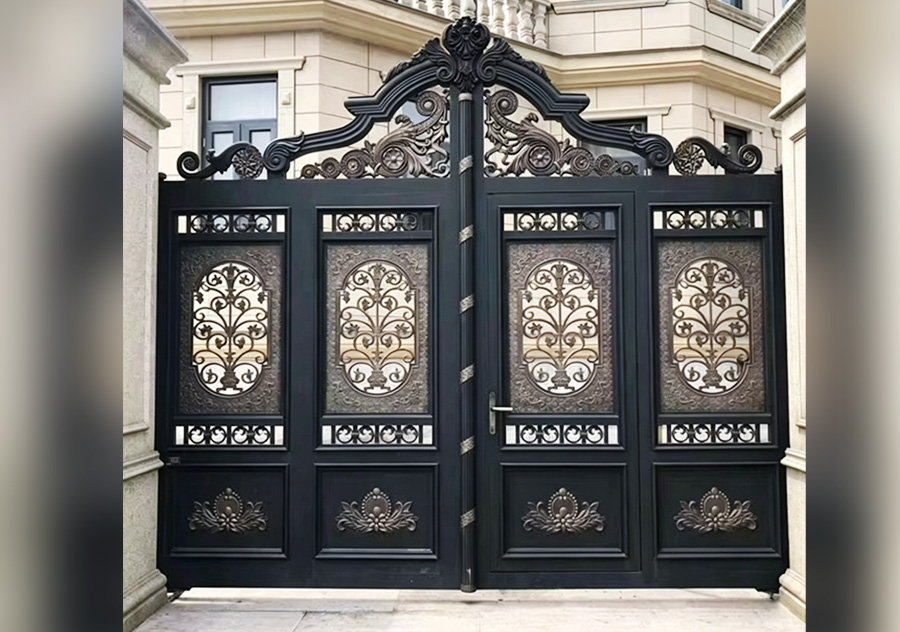
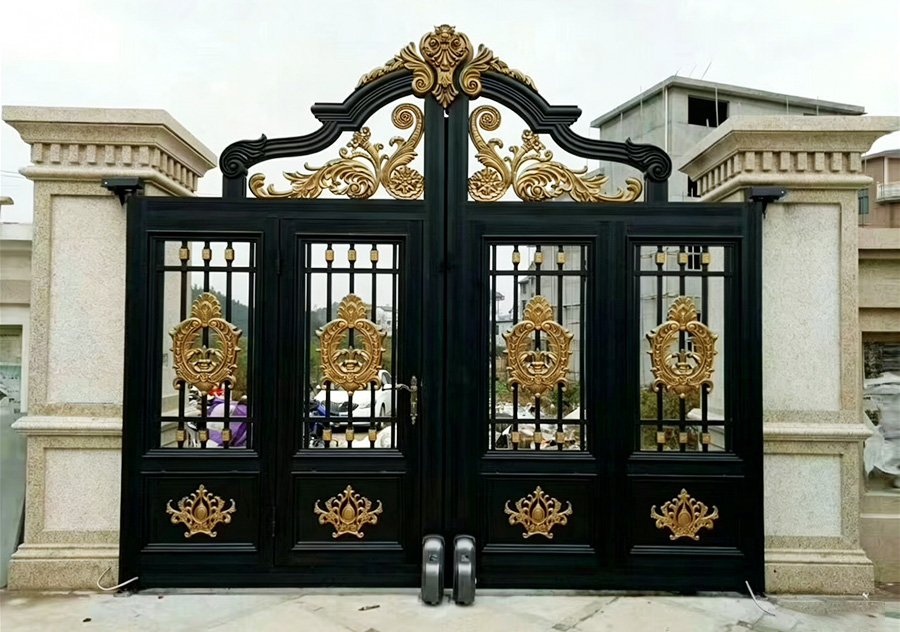
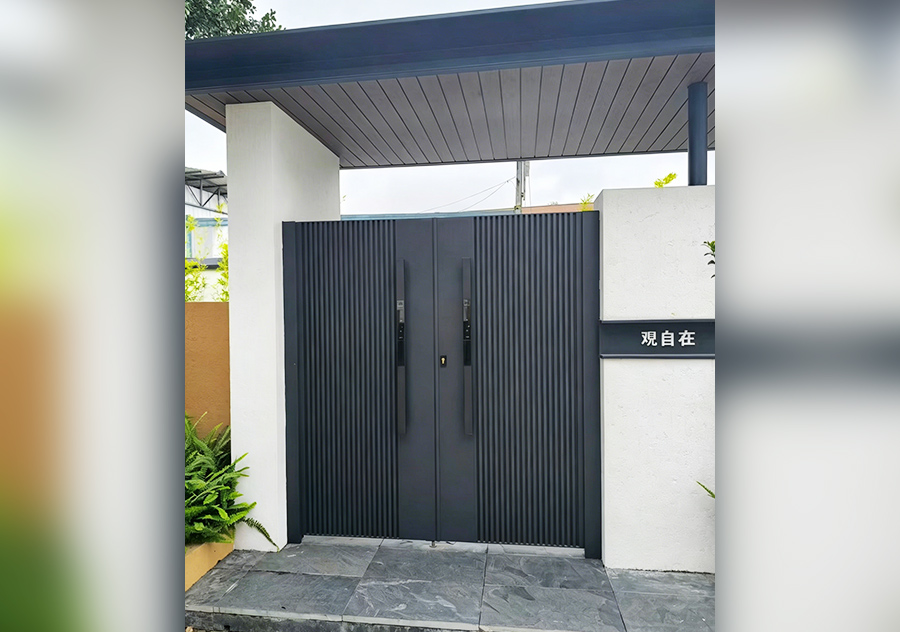
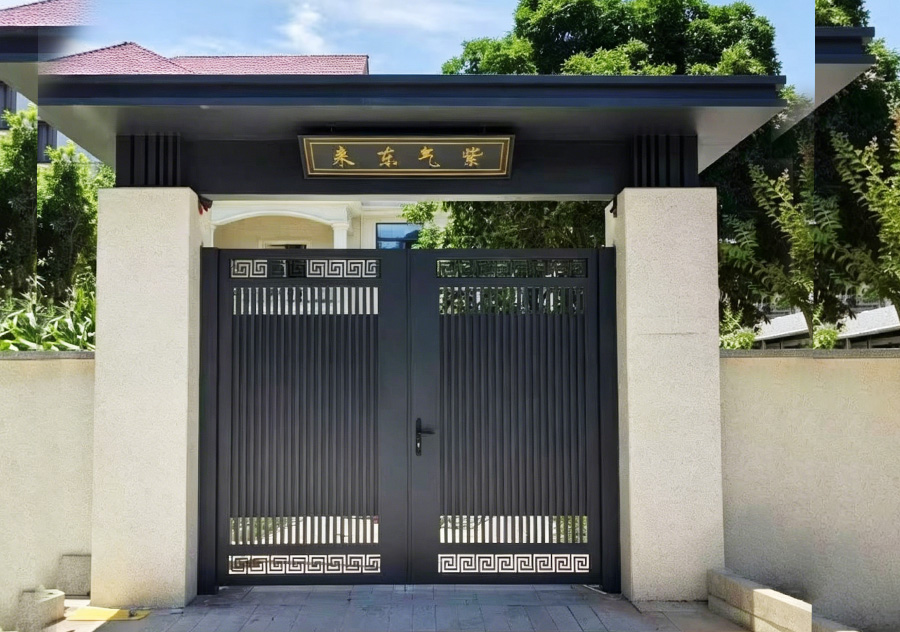
A Decorative Security Fence brings these considerations together through its height, spacing, panel arrangement, posts, gates, and surface details. Each part can change both the physical boundary and the way the finished fence looks from inside or outside the property. A suitable layout therefore begins with the site and its intended use, then works through the structural and visual details one by one.
Height is one of the first characteristics to consider because it establishes the scale of the boundary. A fence that is relatively low can leave a property visually open, while a taller structure creates a more defined separation from the surrounding area. Neither approach works in exactly the same way for every site.
The surrounding building is an important reference. A fence that sits beside a low building, open yard, or landscaped area may have a different visual effect from one positioned around a larger commercial property. The relationship between the fence and nearby structures can determine whether the boundary feels integrated or visually disconnected.
Height also interacts with other parts of the design. A taller fence with very open spacing may still preserve considerable visibility, while a lower fence with closely arranged elements can create a stronger sense of enclosure. Looking at height by itself can therefore give an incomplete picture.
When planning the height, it helps to consider:
These factors provide a more practical starting point than choosing a height based only on appearance.
The spaces between vertical elements influence both visibility and the character of the fence. Open spacing allows people to see through the boundary, while closer spacing creates a more enclosed appearance. The choice can also affect how the fence is perceived from different distances.
Spacing should be considered together with the overall height. A tall structure with widely separated elements can maintain an open visual character, whereas a similar structure with closely arranged elements can appear substantially heavier. The same principle applies to shorter boundaries.
The surrounding environment also matters. A fence beside a pedestrian area may need a different visual arrangement from one separating a private property from a less frequently used space. Views toward entrances, landscaping, parking areas, or building façades can all influence the preferred arrangement.
For a Decorative Security Fence, consistent spacing across adjoining panels can also help maintain a continuous appearance. Irregular changes may become noticeable around corners, gates, or areas where the ground changes level.
| Design consideration | What it can affect |
|---|---|
| Fence height | Boundary definition and visual scale |
| Element spacing | Visibility and enclosure |
| Panel arrangement | Continuity across the property |
| Gate opening | Movement through the boundary |
| Ground changes | Alignment between adjoining sections |
The important point is that spacing is not an isolated decorative choice. It forms part of the relationship between security requirements, visibility, and the appearance of the complete boundary.
Small structural details can influence how a person interacts with a fence. The arrangement of vertical elements, the shape of the upper section, and the presence of horizontal surfaces can all change how easy it is to approach or cross the boundary.
A design with clear vertical lines may provide fewer convenient surfaces than one containing several horizontal elements. The upper edge can also influence how the fence is approached. Decorative details should therefore be considered in relation to their position and shape rather than treated only as visual additions.
This does not mean that adding decorative features automatically increases security. A decorative element needs to work with the rest of the structure. If it creates an easy foothold or interrupts the continuity of the boundary, its visual purpose may conflict with the intended function.
Another consideration is consistency. A panel design may provide one type of upper edge while the gate uses another. Such differences can create both visual and structural changes at the entrance. Keeping the major design features related helps the boundary function as one connected system.
Gates create an opening in an otherwise continuous boundary, so they require separate attention during planning. The relationship between the gate and adjoining panels can affect both movement and the appearance of the entrance.
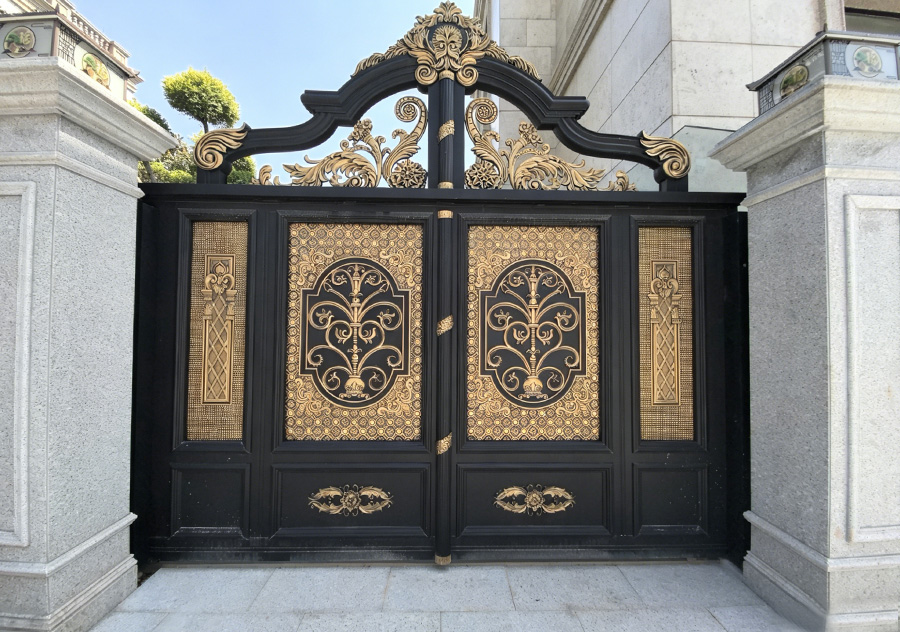
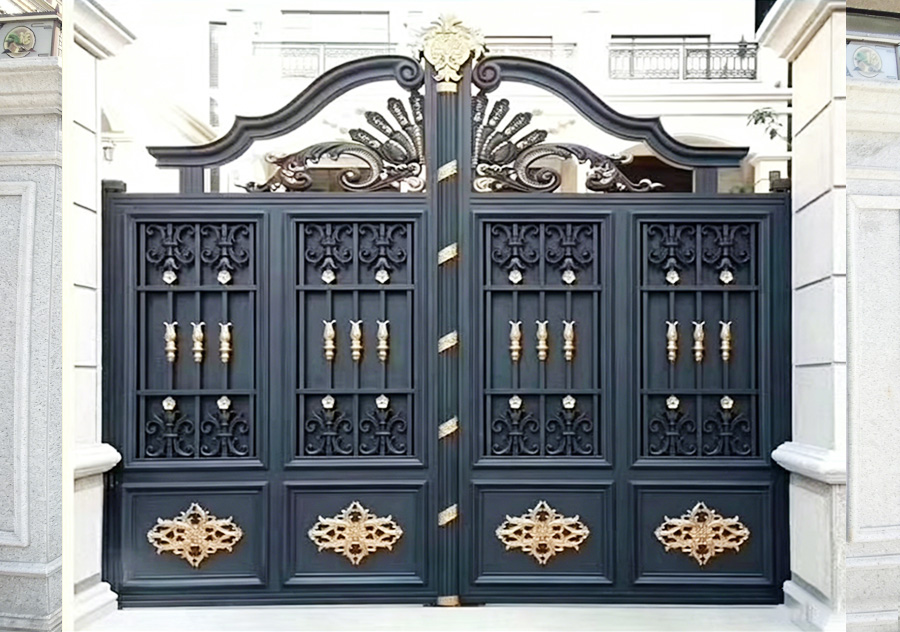
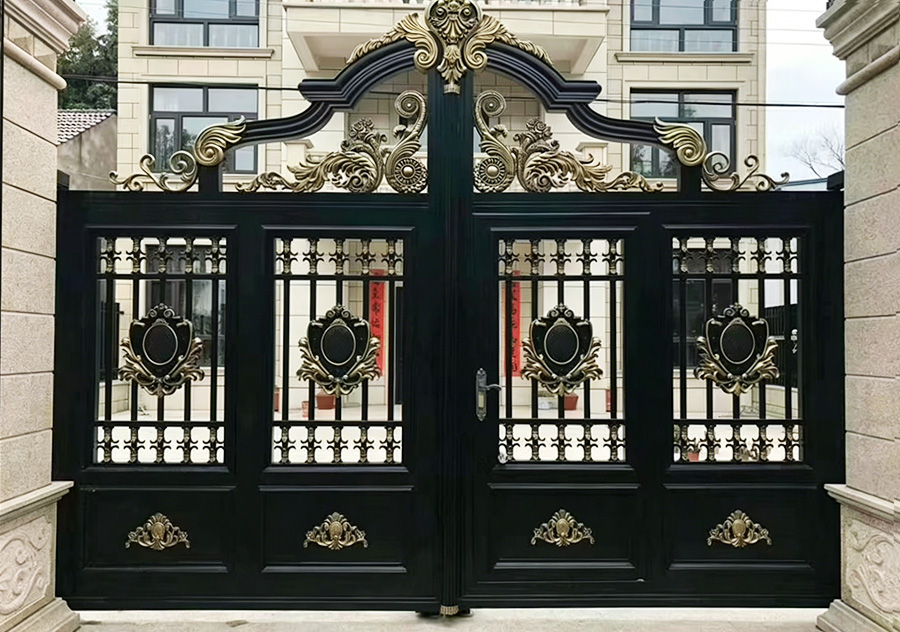
A gate that differs greatly in height or visual structure can make the entrance feel disconnected from the rest of the property. Matching the principal lines of the fence can create a more continuous transition. This can include the height, spacing, frame arrangement, and upper profile.
The location of the entrance also affects the layout. A pedestrian entrance may need a different arrangement from a wider vehicle opening. The surrounding walkway, driveway, building entrance, and available space should be considered before the adjoining panels are positioned.
Particular attention is useful around:
For a Decorative Security Fence, the gate should not be treated as an unrelated component. Its dimensions and visual structure need to make sense within the wider boundary.
Not every property provides a flat surface for installation. Sloping ground, steps, raised sections, and changes in elevation can affect how individual panels align with one another.
One approach is to allow adjoining sections to follow the general slope of the ground. Another is to arrange panels in separate levels so that each section remains aligned within its own area. The suitable arrangement depends on the shape of the site and the desired appearance.
Ground changes can become particularly noticeable when a long fence runs beside a road or walkway. A straight upper line may create a different visual effect from a fence that follows the ground. The decision can also affect the space below the panels.
Corners require additional attention because two different directions may meet at a change in elevation. If the transition is not considered before installation, gaps or uneven visual lines can appear between adjacent sections.
A useful planning process is to identify:
Considering these points before panel placement can make the finished boundary more coherent.
Panels provide the visible surface of a fence, but posts and connections determine how those sections are supported and joined. Their relationship becomes particularly important where panels meet at corners, gates, or changes in direction.
Post positions need to correspond with the panel layout. If the spacing between support points does not suit the panel arrangement, installation can become more complicated and the finished lines may not remain consistent.
Connections also deserve attention because they join different parts of the boundary. A connection that is appropriate for a straight section may need to be considered differently at a corner or beside a gate. These locations experience changes in direction and arrangement that are not present along a simple run of panels.
For larger boundaries, planning the posts and connections at the same time as the panels can reduce unnecessary adjustments during installation. It also makes it easier to maintain consistent lines across separate sections.
| Location | Main point to consider |
|---|---|
| Straight fence section | Consistent panel and post alignment |
| Corner | Change in direction between sections |
| Gate area | Relationship between gate and supporting posts |
| Uneven ground | Transition between different levels |
| End section | How the fence finishes at a boundary |
This structural planning also supports the visual side of the design. A fence can look continuous only when its supporting parts allow the individual sections to meet in a controlled way.
Security and visibility do not always have to work against each other. In many settings, the purpose of the boundary is to establish a clear separation while allowing people to see the building, yard, entrance, or surrounding area.
The amount of visual openness is influenced by several elements working together. Bar spacing, panel height, the arrangement of horizontal components, and the position of the fence all contribute to what can be seen through it.
The distance between the fence and the building can also change the visual effect. A closely positioned fence may become a prominent part of the building frontage, while a boundary set farther away can interact more with landscaping and open space.
For this reason, choosing a Decorative Security Fence should involve more than looking at an individual panel. The complete setting matters. A design that appears relatively open on its own may look substantially different once placed beside a wall, entrance, planting area, or driveway.
The goal is to establish a boundary that serves its security purpose while maintaining a reasonable relationship with the property behind it.
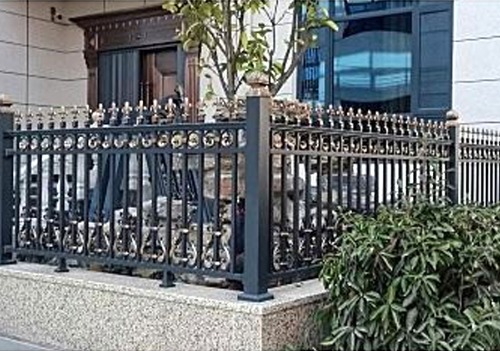
The final choice is easier to organize when the site is considered as a group of connected requirements rather than a single product feature. Height, spacing, entrances, ground conditions, support positions, and visibility all influence one another.
Start with the property boundary and identify where the fence needs to run. Then note locations that may require a different arrangement, such as gates, corners, slopes, walkways, and changes in elevation.
It is also useful to consider how the fence will look from both sides. A boundary can appear different when viewed from a road, entrance, garden, parking area, or building. This perspective can help identify sections where spacing or height may need closer attention.
Before making a final selection, the following points can be reviewed:
A well-planned boundary comes from treating these factors as connected decisions. Security, appearance, access, and site conditions each influence the final arrangement. When they are considered together, a Decorative Security Fence can form a clear property boundary without making design and practical requirements compete unnecessarily.

Phone
(+86) 138 5893 5900
+86 15158991377
Address
Chengxi High-tech Zone, Yongkang City, Zhejiang Province, China
Media

 English
 Español
 русский