Call us for a FREE QUOTE: (+86) 138 5893 5900

Mail us to: [email protected]
Call us for a FREE QUOTE: (+86) 138 5893 5900
Mail us to: [email protected]

 Home / News / Industry News / Can Fence Outdoor Systems Improve Privacy Without Making a Yard Feel Closed In?

Privacy is one of the main reasons people install outdoor fencing. A homeowner may want a quiet garden, an apartment developer may need separation between shared and private areas, and a hotel may need certain spaces screened. The problem is that a fence built only for privacy can also make an outdoor area feel boxed in.
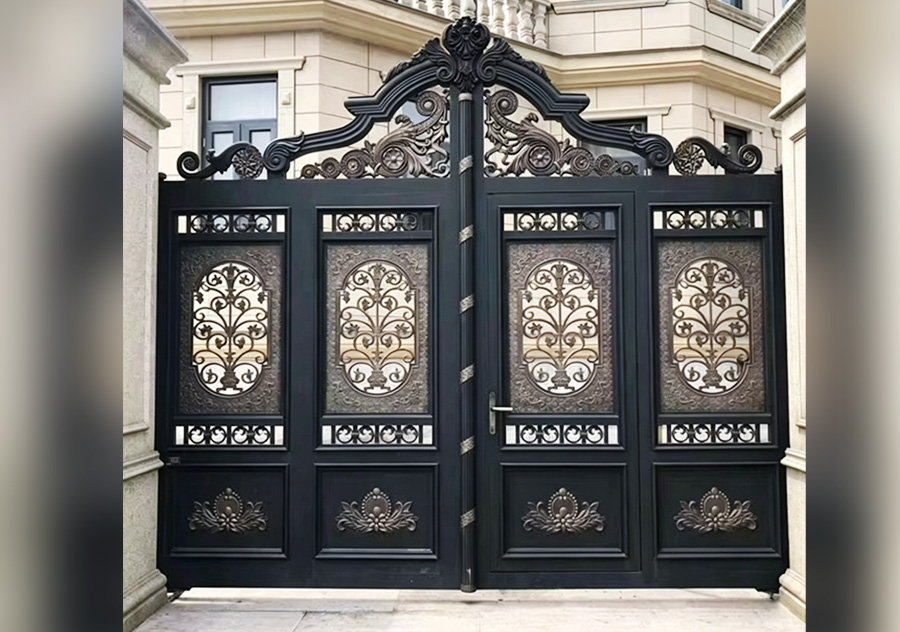
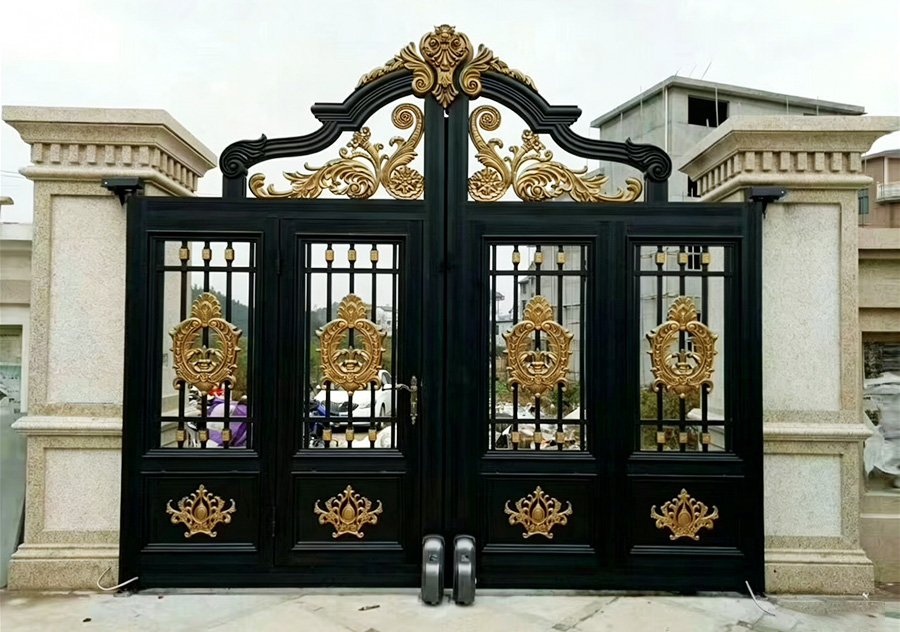
That is where Fence Outdoor Systems design becomes important. Privacy does not always mean using a completely solid wall. Panel spacing, height, material, color, orientation, and nearby landscaping all affect how enclosed the space feels. For B2B buyers, these details matter because the same fence may need to work across different sites and requirements.
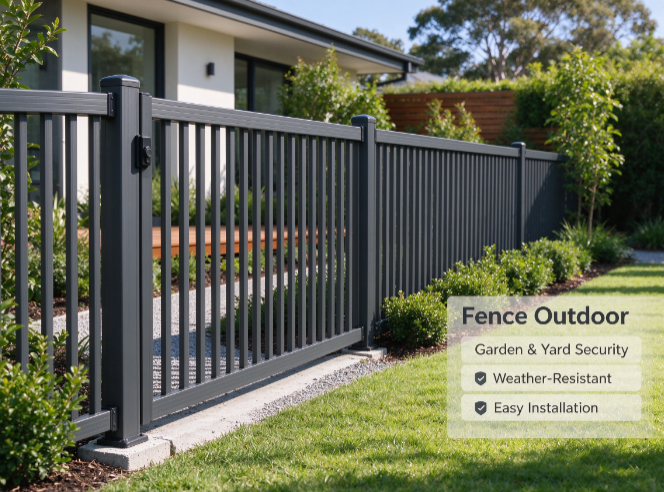
A fully closed fence gives strong visual separation, but it can block daylight and make a small yard feel even smaller. In some projects, that is not a big issue. Pool areas, service zones, and some private residential gardens may actually need stronger screening.
Other projects need a middle ground. A garden may need privacy from a neighboring property while still keeping sunlight and a wider outdoor view. Hospitality spaces can have a similar issue. Guests usually want some separation, but a high solid barrier can make patios, balconies, or dining areas feel tight.
For project buyers, the real question is not simply “How much privacy does the fence provide?” It is also “How much openness should remain?”
Small changes in the gap between panels can noticeably change the way a fence looks and performs. Buyers should think about sightlines from normal standing height, nearby windows, and the distance between properties.
| Fence style | Typical privacy effect | Visual openness |
|---|---|---|
| Solid panels | High privacy | Low |
| Narrow gaps | Moderate to high privacy | Limited |
| Medium gaps | Balanced privacy | Moderate |
| Wide gaps | Lower privacy | High |
| Horizontal slats | Depends on spacing and angle | Moderate to high |
| Vertical slats | Depends on spacing and viewing direction | Moderate |
There is no single spacing that works for every project. A pool fence may need tighter gaps than a decorative garden boundary. Wider spacing can work where the goal is simply to mark a property line without creating a heavy wall.
Height is one of the quickest ways to increase privacy, but simply making a fence taller is not always the right answer.
A very tall solid fence can feel imposing, especially in a narrow backyard. It can also reduce airflow and block more natural light. Local rules may also place limits on fence height, so project teams need to check them before finalizing a design.
A medium-height fence with selected spacing can sometimes provide enough screening while keeping the area lighter. The right height depends on what needs to be hidden, where people stand, and what can be seen from nearby buildings or roads.
The direction of the panels also changes the character of a fence.
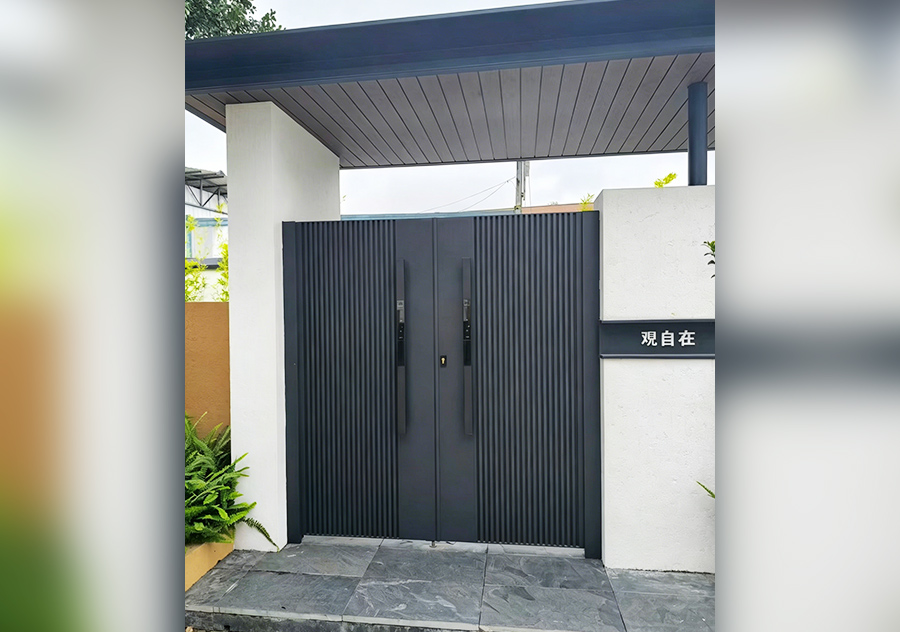
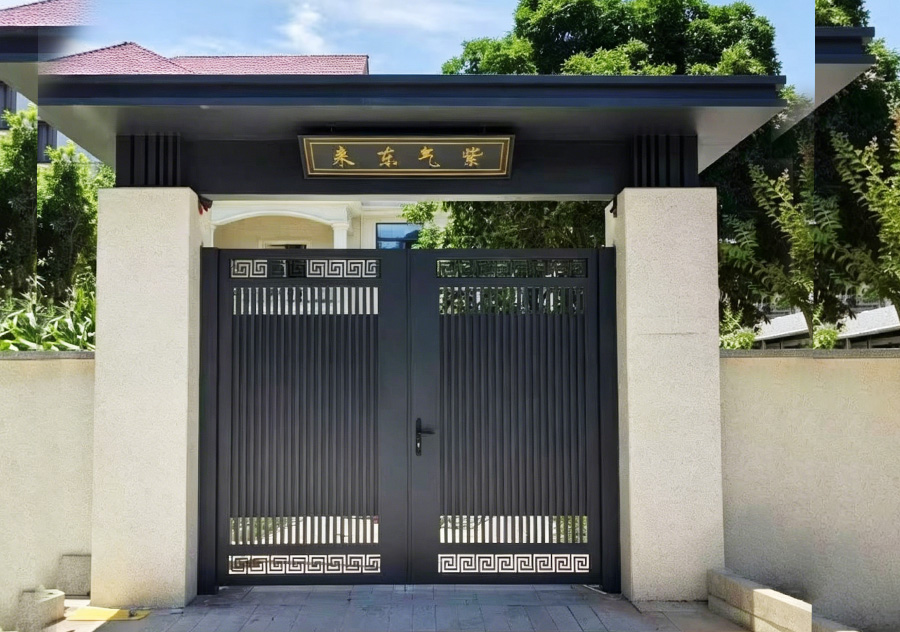
Horizontal slats often give a long, clean visual line. They can make a space appear wider, which can be useful for compact yards or narrow outdoor areas. Vertical slats draw the eye upward and may make a fence feel taller and more structured.
Neither layout automatically provides more privacy. The result depends on spacing, panel width, viewing angle, and height. For buyers sourcing in volume, full-size samples are useful because product photos can hide how much open space is visible.
Privacy fencing does not have to block every ray of daylight. Semi-open systems can reduce direct views while still allowing light to move through the fence.
This is useful beside patios, terraces, balconies, or landscaped areas where natural brightness matters. Partial openings can create separation without making the area noticeably darker.
For commercial properties, this helps maintain a more open appearance. Customers and visitors usually respond better to spaces that feel usable and visible instead of enclosed behind a heavy barrier.
Air movement is easy to overlook when privacy is the main concern. A solid fence can interrupt wind flow, which may matter in exposed outdoor spaces or warmer climates.
A slatted or semi-open design allows some air to pass through. That does not mean the fence offers no wind resistance, but it can change how the barrier behaves compared with a solid surface.
For contractors and developers, this is another reason to look at the fence as part of the whole site. Privacy, airflow, daylight, and structural performance all need to work together.
Plants can do much of the visual work.
Shrubs, climbing plants, hedges, and narrow trees can soften the appearance of a fence and fill some of the open areas between panels. This is useful when buyers want privacy but do not want to install a fully solid barrier.
Landscaping also breaks up long fence runs. A continuous wall can look repetitive, while planting adds changes in height, texture, and color.
For B2B projects, maintenance should also be considered. Fast-growing plants may provide screening quickly, but they need trimming. The fence and landscaping should be planned together.
Color has more impact than many buyers expect. Dark finishes can make a fence recede visually in some settings, while lighter finishes may reflect more light and feel less heavy.
Finish also affects how the fence fits into the surrounding architecture. A modern development may use simple neutral tones, while a residential project may use a warmer or more textured finish.
There is no universal answer here. The practical approach is to compare the fence with the walls, paving, plants, and outdoor furniture planned for the site. A fence that looks fine in a showroom can feel different once it covers a long boundary.
Material choice matters for privacy, appearance, maintenance, and long-term use. Buyers should not judge a fence only by its initial look.
| Material | Common strengths | Points to review |
|---|---|---|
| Aluminum | Lightweight, corrosion resistant | Profile strength, finish quality |
| Steel | Strong and rigid | Corrosion protection, weight |
| Wood | Natural appearance | Moisture, maintenance, treatment |
| Composite | Consistent appearance | Material formulation, expansion |
| Mixed-material systems | Flexible design options | Compatibility between materials |
For outdoor projects, the local environment matters. Coastal areas may need closer attention to corrosion protection, while wet climates create different maintenance demands from dry regions.
Manufacturing quality matters too. Panel dimensions, coating consistency, frame construction, and fastening details affect the finished result. A good design can perform poorly if production tolerances are inconsistent.
Residential buyers often focus on neighboring views, gardens, pools, and private activity areas. Commercial projects may have broader concerns, including visitor traffic, property boundaries, access control, and visual separation between different zones.
An apartment development might use different fence styles for ground-floor units, shared gardens, and service areas. A hotel could use semi-private barriers around outdoor dining while keeping public circulation open.
Standard fencing specifications do not always fit every project. B2B buyers usually need options, not one fixed configuration.
Yes. Fence orientation can be useful when privacy problems come mainly from one direction.
For example, a property may have a neighboring house with windows facing the yard. In that case, panel placement and slat direction can be selected to reduce direct sightlines from that side while leaving other views more open.
This can avoid over-screening the entire boundary. Instead of building a heavy barrier around the whole yard, the privacy treatment is concentrated where it is actually needed.
A fence may look good when installed and still become a headache later. Dirt, moisture, scratches, fading, rust, loose hardware, or plant growth can change its appearance over time.
Buyers should ask how the finish is expected to perform outdoors and whether replacement panels or hardware are available. Standard spare parts can make future repairs easier.
Maintenance should also fit the end user's expectations. A property manager may prefer a system that needs only occasional cleaning, while a homeowner may accept more routine care for a natural wood appearance.
Before placing a large order, buyers should look beyond the catalog photo. A few checks can prevent costly changes later.
Packaging and installation support also matter for large orders. Panels can still cause problems if they arrive damaged or the fitting process is unclear.
A manufacturer does not need to offer dozens of unrelated fence designs to support different projects. A modular approach can often work better.
Changing panel spacing, height, colors, post styles, or insert options can create several privacy levels from one basic platform. This gives distributors and contractors more flexibility.
Customization is useful for projects with specific dimensions or site conditions. Buyers should ask whether the supplier can provide technical drawings, sample sections, production confirmation, and project-suitable packaging.
Privacy is hard to judge from a small screen sample. Before approving a large order, buyers should test the system at roughly the same height and viewing distance as the real site.
Stand where a neighbor, pedestrian, or nearby guest would normally stand. Look through the fence at eye level. Then check it from a lower and higher angle. This simple test often reveals gaps or sightlines that were not obvious in product photos.
For developers and contractors, a mock-up section can help on large visible projects. It lets the team review privacy, daylight, color, and scale before full installation.
Good fencing design is usually about finding the right balance. A completely solid fence can provide strong separation, but it may also make an outdoor space feel darker or smaller. Semi-open Fence Outdoor Systems can offer privacy while keeping some light, airflow, and visual depth.
For B2B buyers, the practical choice comes from looking at the site as a whole. Panel spacing, height, orientation, material, finish, landscaping, installation, and maintenance all play a part. When those details are considered together, privacy does not have to mean putting a wall around the entire yard.

Phone
(+86) 138 5893 5900
+86 15158991377
Address
Chengxi High-tech Zone, Yongkang City, Zhejiang Province, China
Media

 English
 Español
 русский