Aluminum Fence Railing and Fence Panels for Durable Outdoor Boundary Projects
Aluminum fencing is often used outdoors where people need to mark boundaries or add a bit of safety without blocking the space. You’ll usually see it in places like villa yards, neighborhoods, parks, factories, and along sidewalks.
It’s lighter than traditional iron fencing, so it’s easier to move and install. It also holds up reasonably well outside over time, even in changing weather. Because of that, it works well for projects that need something practical and low-maintenance, without drawing too much attention.
Why Aluminum Fence Panels Work Well Outdoors
Outdoor fences are always exposed to sun, rain, moisture, dust, and changing temperatures. Over time, some materials can start to rust, fade, or need regular repairs if they’re not well suited for these conditions.
Aluminum handles this kind of environment fairly well. It won’t rust like iron, and because it’s relatively light, it puts less stress on posts and fixing points during installation and long-term use.
In practical terms, it offers a few simple advantages:
- It doesn’t rust easily outdoors
- It holds up in different weather conditions
- It’s lighter than many traditional metal options
- It has a simple, clean look that fits modern buildings
- It’s fairly easy to install and maintain
- It comes in different panel styles for different projects
For many outdoor projects, aluminum fencing ends up being a straightforward option that balances durability, appearance, and everyday usability.
Common Uses for Aluminum Fence Railing
Aluminum fence railing is used in many outdoor projects, and the design usually changes depending on where it’s installed and what it needs to do.
It’s commonly found in places like residential communities, villa gardens, courtyards, parks, factories, schools, public squares, sports areas, exhibition sites, and around commercial or public buildings. It can also be used for balconies and terraces.
In residential areas, the fence is often chosen to match the house and the surrounding landscape. In parks and public spaces, it’s more about keeping areas clearly separated while still allowing visibility. For factories or industrial sites, people usually care more about durability and easy upkeep than appearance.
Surface Treatment and Color Options
The finish on aluminum fence panels mainly affects how they look and how they age outdoors. A good coating helps protect the surface and keeps the color from changing too quickly.
Powder coating is the most common choice. It provides a smooth finish, comes in different colors, and usually holds up well outside. Depending on the project, anodized finishes or other custom treatments may also be used.
Common options include:
- Matte black
- Dark grey
- White
- Bronze
- Silver grey
- Wood-grain finish
- Custom colors
Black and dark grey are often used in modern settings because they match well with concrete and glass. White is more common in residential or garden areas where a lighter look is preferred. Bronze is usually seen in more traditional designs. Wood-grain finishes are used when a warmer look is needed, without the maintenance of real wood.
Design Options for Different Project Styles
Aluminum fencing is used in different ways depending on the site. Some projects only need a simple line to mark the boundary, while others need a bit more privacy or a better match with the surroundings.
Common styles include:
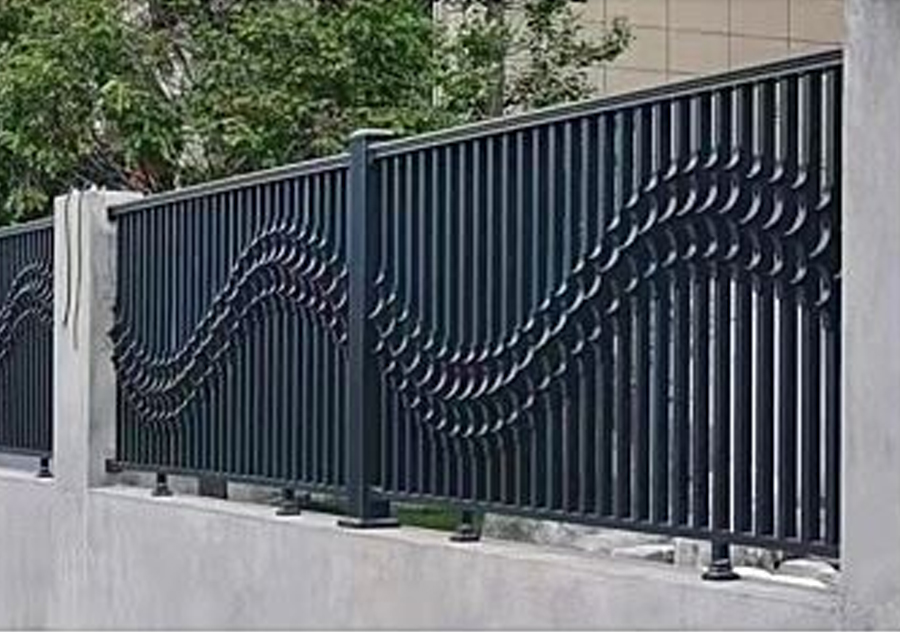
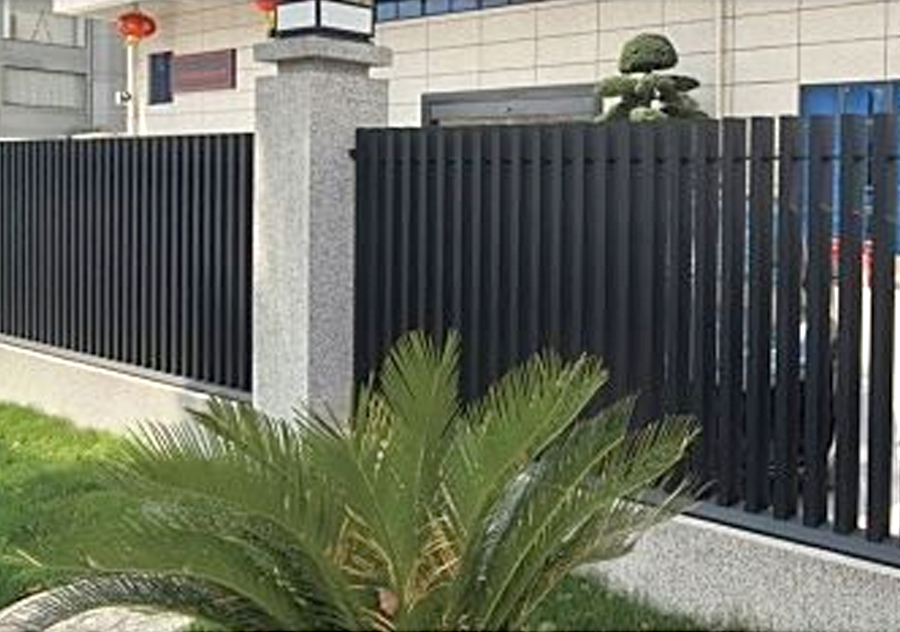
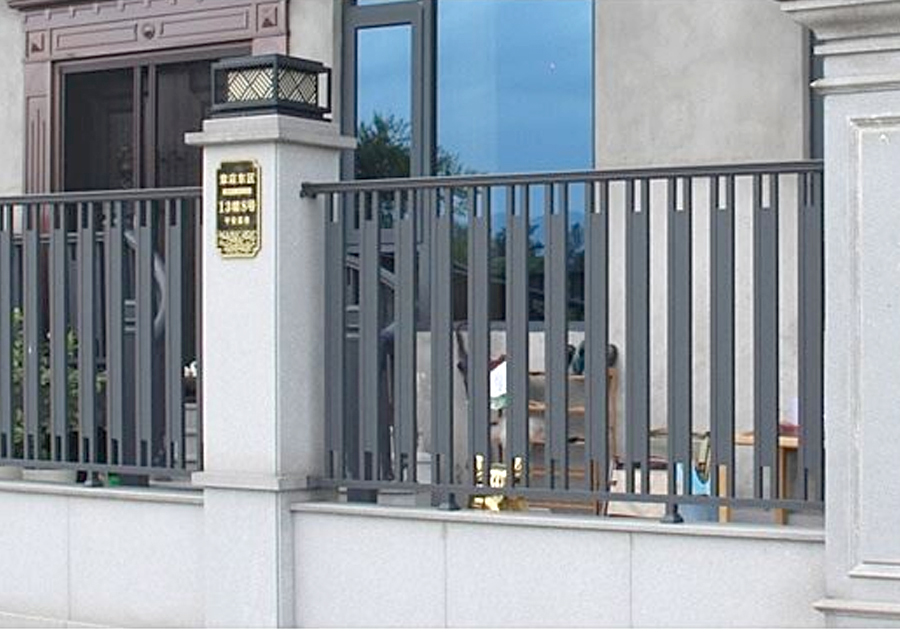
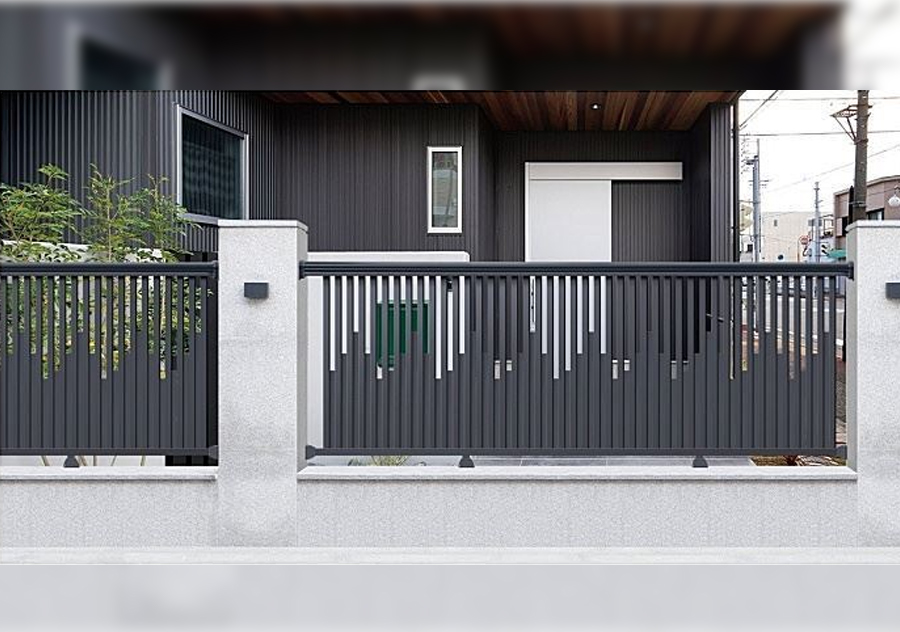
- Vertical panels
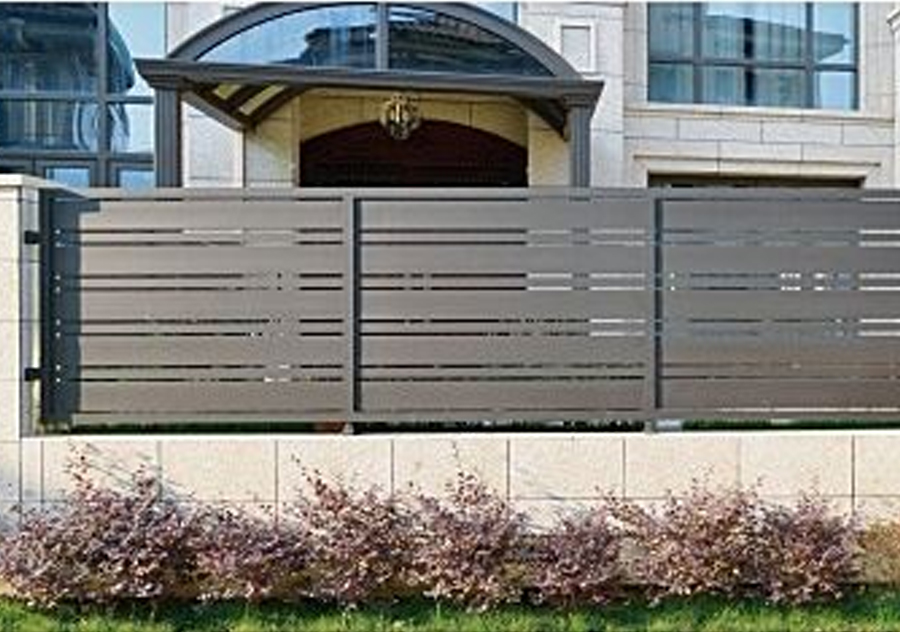
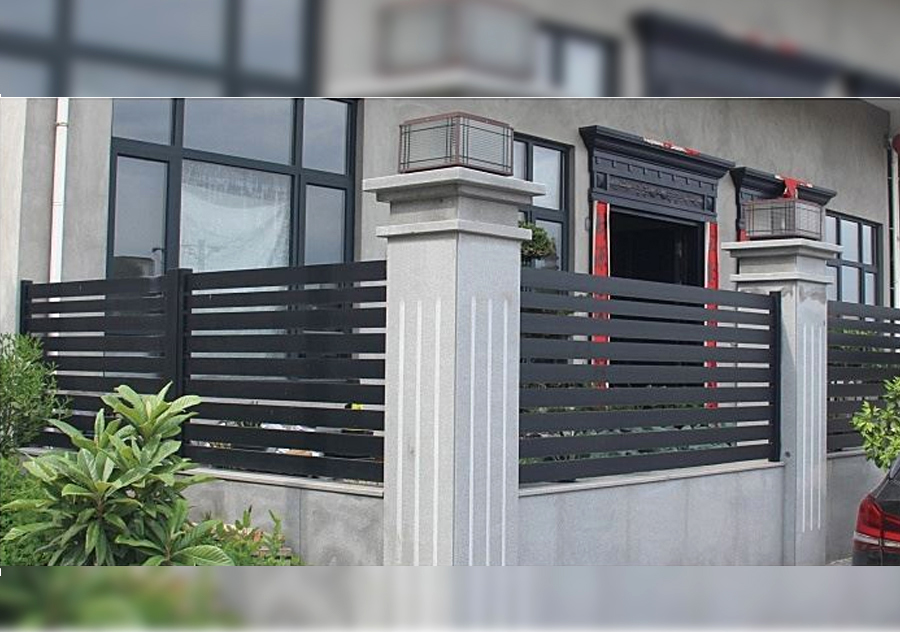
- Horizontal panels
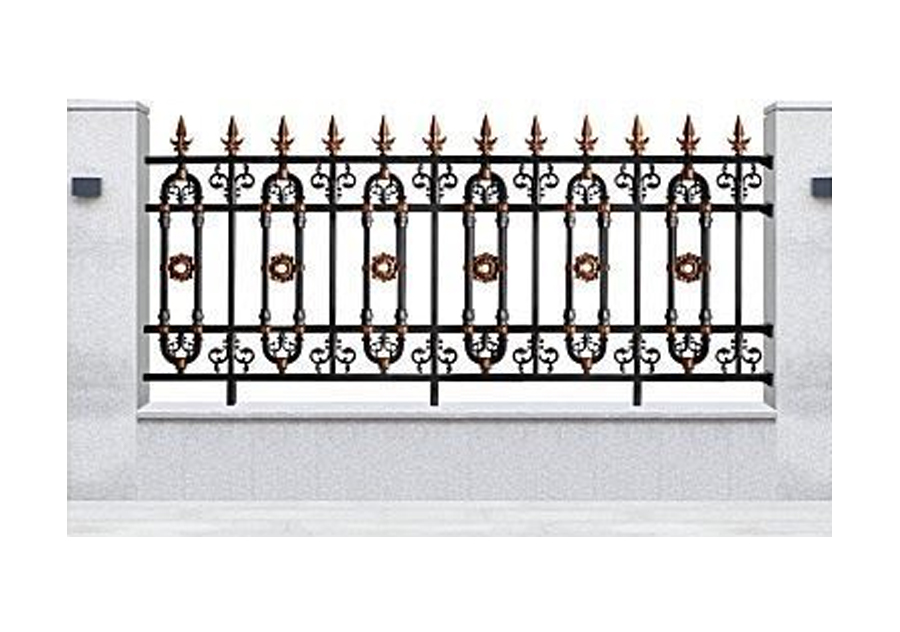
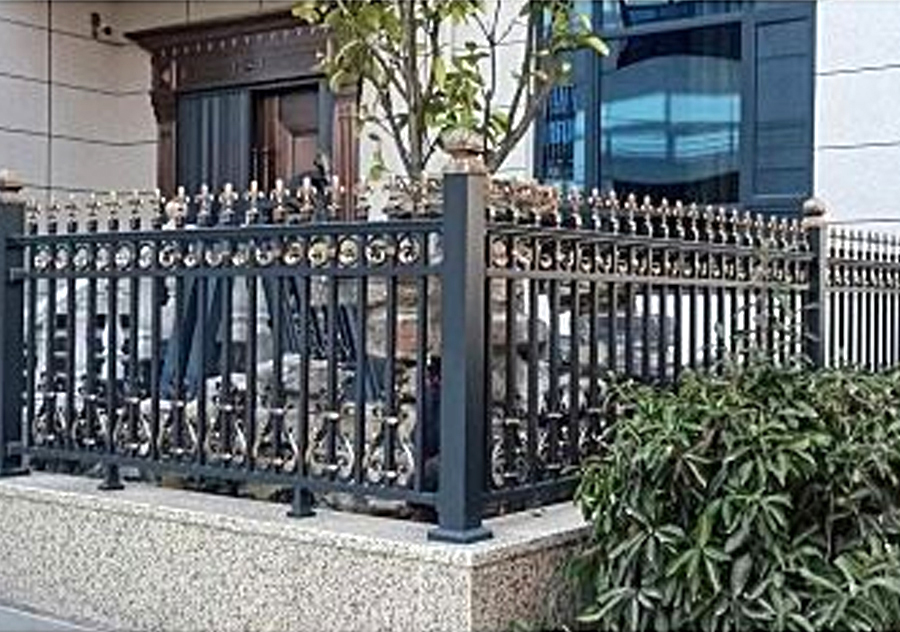
- Decorative garden fencing
- Powder-coated guardrails
- Residential fencing
- Villa boundary fencing
- Fence systems with matching gates
- Custom landscape designs
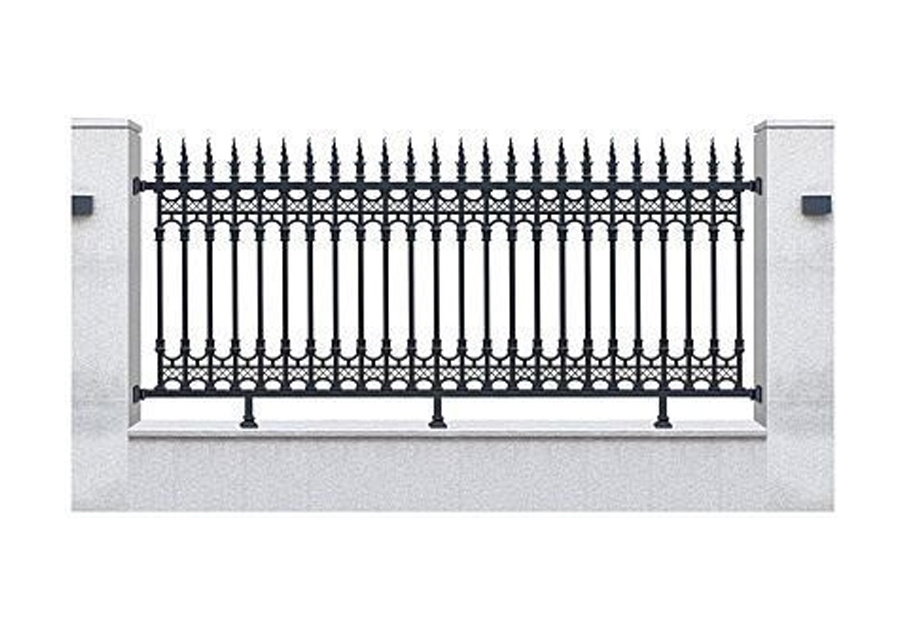
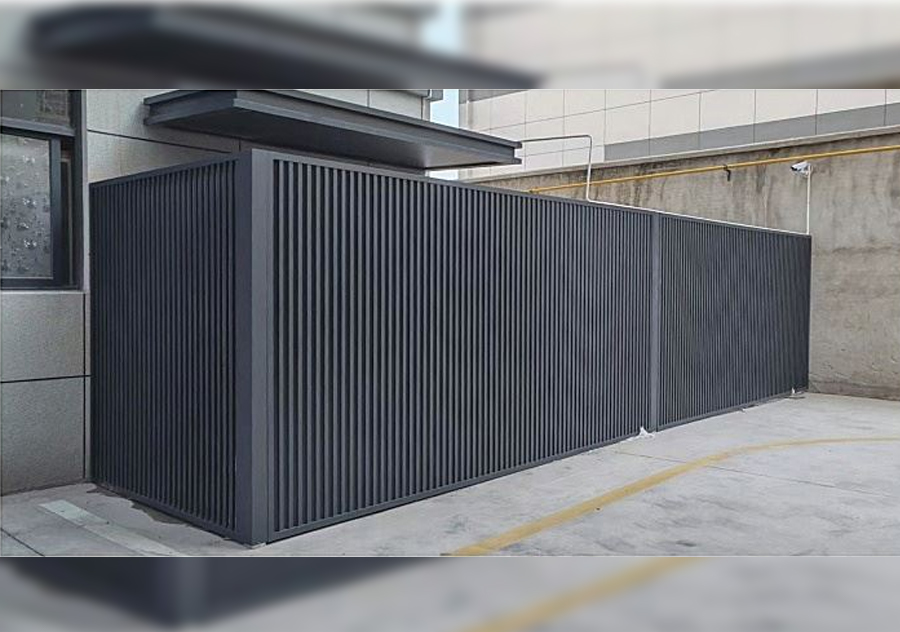
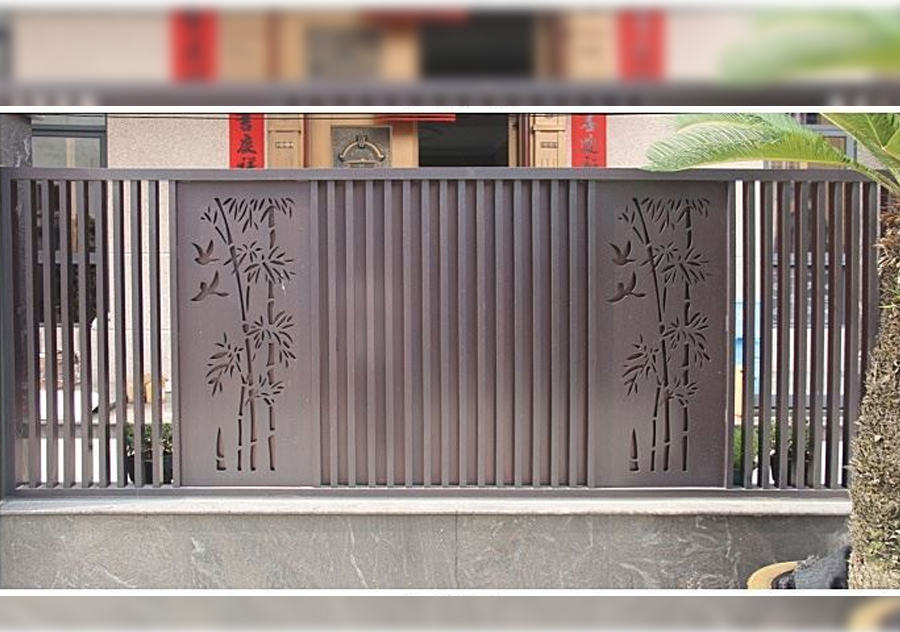
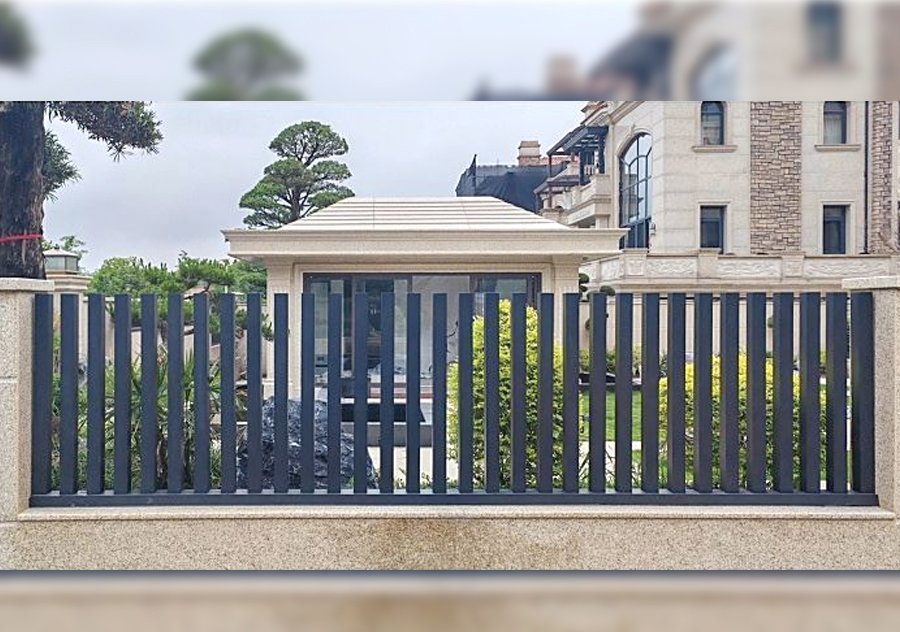
Vertical and horizontal styles are often used in newer buildings because they look clean and straightforward. Decorative designs show up more in gardens, villas, and parks, where the fence is also part of how the place looks.
When privacy is more important, the panels are usually set closer together or made taller.
In most cases, the fence just needs to fit the space around it. If it blends in naturally with the building and the landscape, it usually feels right.
What to Consider Before Choosing Aluminum Fence Panels
Choosing aluminum fencing usually depends on the site itself. What works in one place may not fit another, so it’s worth checking a few basic details before production or installation.
Things to look at include:
- Fence height and total length
- Panel size and post spacing
- Ground condition and how it will be installed
- Safety requirements for the area
- Color and surface finish
- Local weather conditions
- Whether a matching gate is needed
- Spacing between bars
- Hardware and connector quality
- Packaging and transport needs
- How much maintenance is expected later
In areas with heavy rain, humidity, or coastal air, the surface finish matters more than usual. For public spaces, strength and safe spacing are usually the main focus. For homes, villas, or gardens, people often also care about how the fence looks with the building and surroundings.
When these points are clear early on, the fence usually fits the site better and avoids changes during installation.
Aluminum Fence Guardrail for Public and Commercial Spaces
Aluminum fence guardrails are often used in outdoor areas where spaces need to be separated, but still feel open. You’ll usually see them in parks, public squares, schools, sports fields, exhibition areas, and community spaces. They help guide movement and add a basic level of safety without making the area feel closed in.
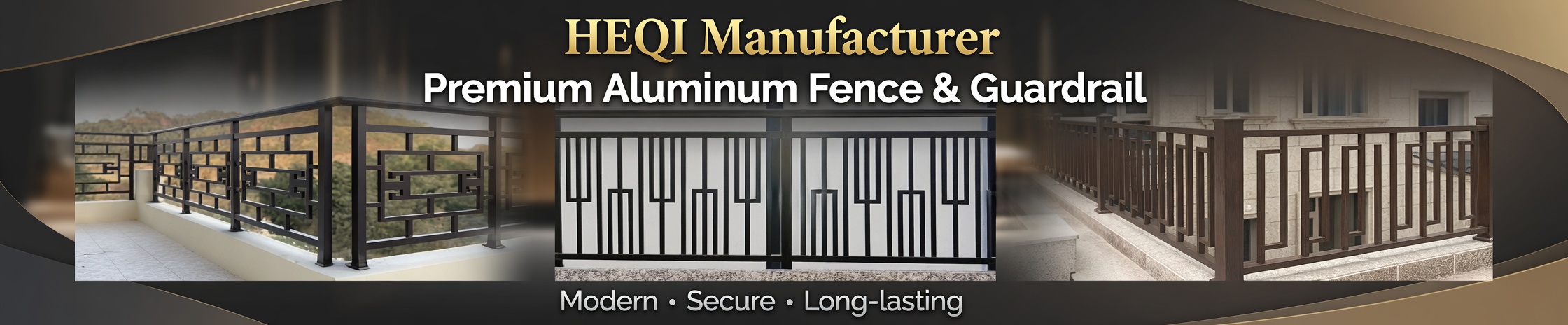
Compared with solid walls, aluminum fencing doesn’t block sight or airflow, which makes it more suitable for places where visibility matters.
Common uses include:
- Walkway separation
- Green area protection
- Parking lot boundaries
- Sports field fencing
- Public facility railings
- Roadside or courtyard barriers
- Building exterior protection
- Landscape edge fencing
The design can be very simple for functional areas, or slightly more detailed in places where appearance is also part of the project.
Low Maintenance Benefits of Aluminum Fencing
Aluminum fence panels are often used because they don’t require much upkeep. Once the surface is properly treated, the fence can usually stay in good condition with only basic cleaning.
In daily use, maintenance is quite simple:
- Rinse off dust with clean water
- Use mild soap for tougher stains
- Check screws and connectors from time to time
- Avoid strong chemical cleaners
- Clear leaves or dirt around the base
- Inspect the surface after heavy wind or rain
In most outdoor environments, aluminum fencing doesn’t need regular repainting or heavy repair work. This makes it a practical choice for long-term projects where people prefer something that stays stable without much effort.
Aluminum fence panels are often used just to mark boundaries and keep outdoor spaces in order. They’re not complicated products, but they do the job well in most everyday conditions.
Most of them are made from aluminum alloy with a powder-coated surface, so they can be used in places like residential areas, villas, parks, factories, schools, and other public or commercial sites.
In real projects, people usually care about a few simple things: whether the fence stays stable after installation, whether it’s easy to maintain, and whether it will rust or wear out quickly. The way it looks also matters, especially if it’s close to buildings or gardens.
If the size, color, and basic structure are planned properly from the start, the fence can stay in use for a long time without much extra work. HEQI provides aluminum fencing products made for this kind of long-term outdoor use.
FAQ About Aluminum Fence Railing and Fence Panels
1. Are aluminum fence panels suitable for outdoor use?
Yes. Aluminum fence panels are suitable for outdoor use because aluminum has good corrosion resistance and does not rust like ordinary iron. With powder coating or other surface treatment, aluminum fencing can handle sunlight, rain, humidity, dust, and temperature changes in daily outdoor environments.
2. How long can an aluminum fence railing last?
The service life depends on the material quality, surface finish, installation method, and local weather conditions. In normal outdoor use, a well-made aluminum fence railing with proper coating can remain stable for many years with basic cleaning and simple inspection.
3. Do aluminum fence panels need frequent maintenance?
No. Aluminum fence panels are considered low-maintenance fencing products. Regular cleaning with water or mild detergent is usually enough. It is also helpful to check posts, screws, connectors, and coated surfaces from time to time, especially after strong wind, heavy rain, or long exposure to dust.
4. What colors are common for aluminum fence railing?
Common colors include matte black, dark grey, white, bronze, silver grey, and wood-grain finishes. Black and dark grey are often used for modern buildings, while white and bronze are common in gardens, villas, and more traditional outdoor spaces. Custom colors can also be used for specific project styles.
5. Can aluminum fence panels be customized?
Yes. Aluminum fence panels can usually be customized in height, width, panel style, bar spacing, color, surface finish, and matching accessories. Some outdoor projects may also require matching gates, posts, or special installation details based on the site layout.
6. Are aluminum fences stronger than iron fences?
Aluminum and iron have different advantages. Iron is heavier, but it can rust if the surface protection is damaged. Aluminum is lighter, corrosion resistant, and easier to maintain. For many residential, garden, park, and public space projects, aluminum fencing offers enough strength while being easier to install and care for.
7. Where are aluminum fence guardrail systems commonly used?
Aluminum fence guardrail systems are commonly used in residential communities, villa gardens, parks, schools, factories, public squares, sports venues, exhibition centers, commercial buildings, balconies, terraces, and outdoor walkways. They are suitable for boundary marking, safety separation, and landscape decoration.
8. Is powder coating important for aluminum fence panels?
Yes. Powder coating helps protect the aluminum surface and improves weather resistance. It also gives the fence a cleaner appearance and allows different color options. A good powder coated aluminum fence panel can keep its finish more stable in outdoor conditions.
9. Can aluminum fencing be used near coastal or humid areas?
Aluminum fencing can be used in coastal or humid areas, but the surface treatment should be selected carefully. Stronger powder coating or other protective finishes may be needed in areas with high salt, humidity, or frequent rain. Regular cleaning can also help reduce surface buildup from salt or dust.
10. What should be checked before installing aluminum fence panels?
Before installation, it is important to check the fence height, panel width, post spacing, ground condition, fixing method, gate position, surface color, and hardware details. For public areas or higher safety requirements, bar spacing and structural stability should also be considered carefully.


 English
 Español
 русский